Back to blog home
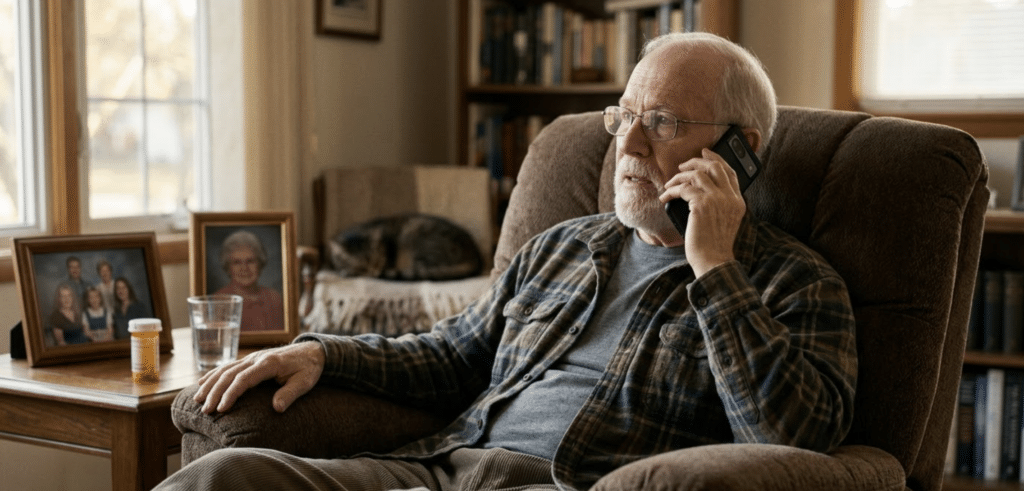
Patient conversations in healthcare used to mean one thing: phone calls. A patient calls. Staff answers. They talk. Repeat 200 times a day.
That model is broken. Practices are drowning in calls. Staff are burned out. Patients can’t get through. And the fix isn’t hiring more people. It’s giving patients better ways to reach you.
Why Do Patient Conversations in Healthcare Need to Change?
The phone is failing both sides. Practices get 200+ calls per day. Most are routine: scheduling, refills, billing questions. Each one takes 5-10 minutes of staff time. The American Medical Association reports that admin tasks now consume more of a practice’s day than patient care.
Meanwhile, patients hate the experience. They wait on hold. They leave voicemails. They play phone tag for days. 62% say trouble reaching the office would stop them from booking.
Practices need more channels. Not fewer. Voice, text, AI, and chat working together.
What Does a Modern Patient Conversation Look Like?
A modern patient conversation happens on whatever channel the patient prefers. Some still want to call. Most want to text. Some just need a quick answer from AI.
Here’s what it looks like in practice:
- Patient texts “refill” to the office number. Gets a reply in 30 seconds.
- Patient calls at 9 PM. AI picks up and books their visit.
- Patient gets a text reminder. Confirms with one tap.
- Staff see all of it in one inbox. No app switching. No lost messages.
The key shift? The practice meets patients where they are. Not the other way around.
How Does AI Change Patient Conversations in Healthcare?
AI voice agents now handle the calls your staff shouldn’t have to take. Scheduling. Refills. Hours and directions. Basic triage. These are the same requests that eat up 70% of your phone lines.
AI voice agents answer on the first ring. They sound like a real person. And they hand off to staff when a call needs a human touch.
Practices using AI see 68% fewer calls reaching staff. That’s not a small improvement. That’s a new way of running a practice.
For a deeper dive into how voice AI works, read AI Patient Communication: How Voice AI Changes Everything
Why Is Texting Better for Routine Patient Conversations?
Patients read 98% of texts. They ignore 80% of calls from unknown numbers. For routine topics, texting wins by a huge margin.
HIPAA-compliant texting lets patients text your office the way they text friends. No app to download. No portal to log into. Just SMS.
Common text conversations:
- Appointment reminders and confirmations
- Refill alerts
- Post-visit care instructions
- Lab result updates
- Quick questions
Each text conversation that replaces a phone call saves 5-10 minutes of staff time. Multiply that by 50 texts a day. That’s hours back.
What Results Do Practices See?
Communication gets better fast when you add the right tools. Here’s what 1,200+ practices report after using OhMD:
- 68% fewer calls reaching staff
- 65% cost savings on communication
- Higher patient satisfaction scores
- Lower staff turnover from reduced phone stress
- Better care coordination across teams
These aren’t small gains. They change how a practice operates day to day.
What Channels Should a Practice Offer?
The best approach is to offer multiple channels and let patients pick. Not every patient wants the same thing. Here’s what works:
Text messaging covers the majority. Quick questions, confirmations, refill requests. Most patients prefer this for anything that doesn’t need a live conversation.
AI voice handles the patients who still want to call. They get an instant answer instead of hold music. And staff only get the calls that truly need a human.
Web chat works for patients browsing your site. They have a question before booking. A quick chat answers it without a phone call.
Email still matters for longer messages. Care plans, detailed instructions, documents that need to be saved.
However, the key is connecting all of these into one inbox. Staff shouldn’t have to check four different systems. OhMD puts every channel in one place. As a result, nothing falls through the cracks. And patients always get a fast reply, no matter which channel they choose.
How Do You Get Started?
Changing how your practice communicates doesn’t take months. Most practices go live in three weeks.
Week 1: Platform setup and EHR integration. Staff training on the new tools.
Week 2: AI voice agent gets customized for your practice. Test calls across all channels.
Week 3: Full launch. Patients start texting and calling the new system.
The hard part isn’t the tech. Instead, it’s deciding to stop doing things the old way. But once you make that choice, the results come fast. Most practices wonder why they waited so long.
Ready to see it work? Schedule a demo and find out why 1,200+ practices chose OhMD for patient conversations.
Frequently Asked Questions
Patient conversations in healthcare include every interaction between a practice and its patients across all channels: phone calls, text messages, AI voice chats, scheduling, refills, billing questions, and follow-up communications.
AI voice agents answer patient calls instantly, handle routine requests like scheduling and refills, and transfer complex calls to staff with full context. Practices using AI see 68% fewer staff-answered calls.
Patients read 98% of text messages but ignore 80% of calls from unknown numbers. Texting is faster, more convenient, and lets patients respond on their own schedule.
Most practices go live in about three weeks. This includes platform setup, EHR integration, AI customization, staff training, and full launch.
Yes, when done through a HIPAA-compliant platform like OhMD. Messages are encrypted, a BAA is included, and full audit trails are maintained.